Wind & solar recycling hub · Moldova

Energy Rebirth: Out of Service Today, Useful Tomorrow

ALTIM RE turns a logistics and compliance burden into a dependable supply of recovered material — from decommissioned blade or panel to industrial-ready output, under one accountable process.

ALTIM RE full blade recycling process concept
Scroll to explore

Recovery journey

From retired blade to recovered industrial material.

Every stage is built around one goal: recovered material that meets a real industrial spec, not just reduced volume. Here's the path a blade takes from decommissioning to reuse.

On-site preparation

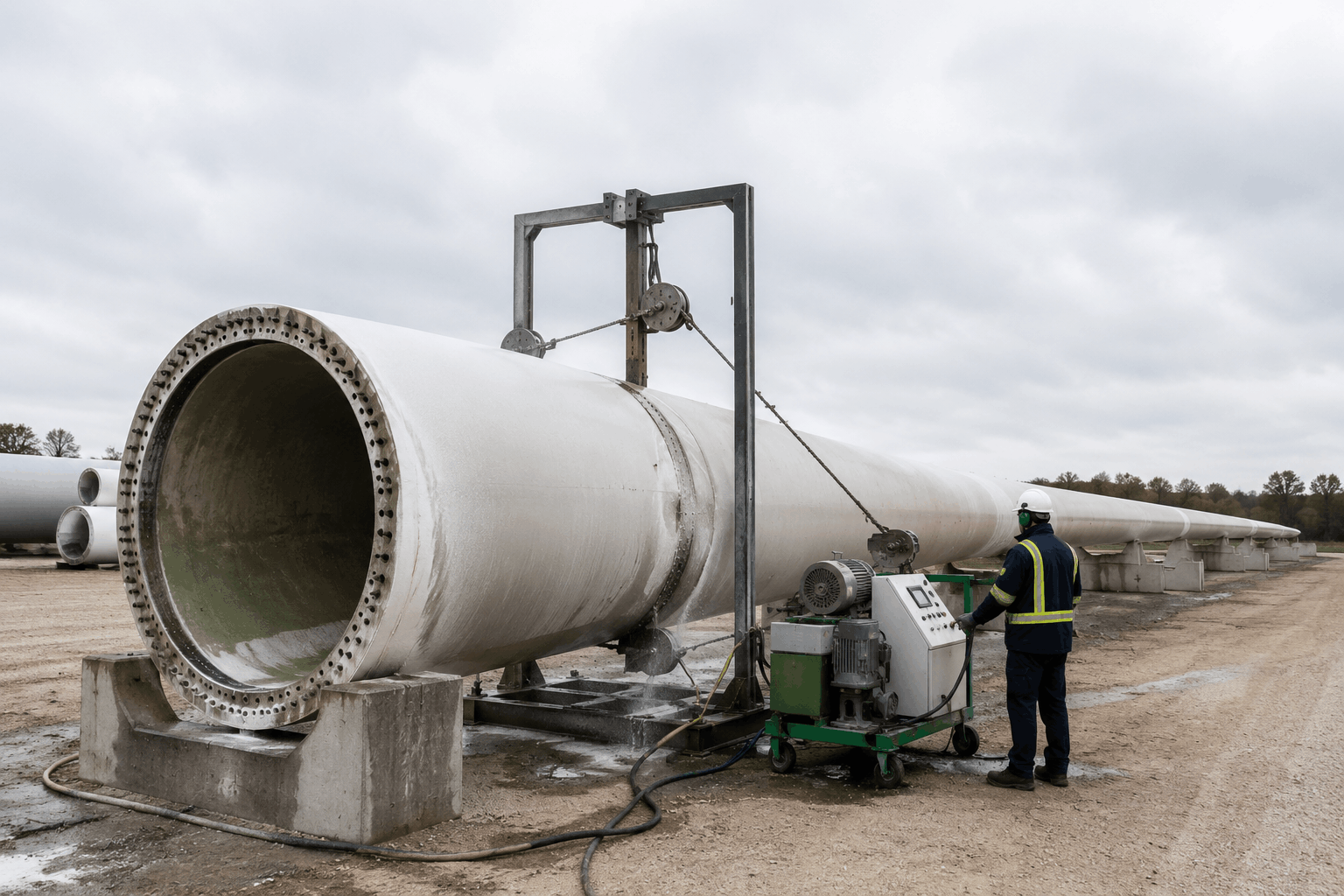
Blade sections are cut and prepared where they rest, cutting handling risk and cost before a single truck moves.

Regional processing

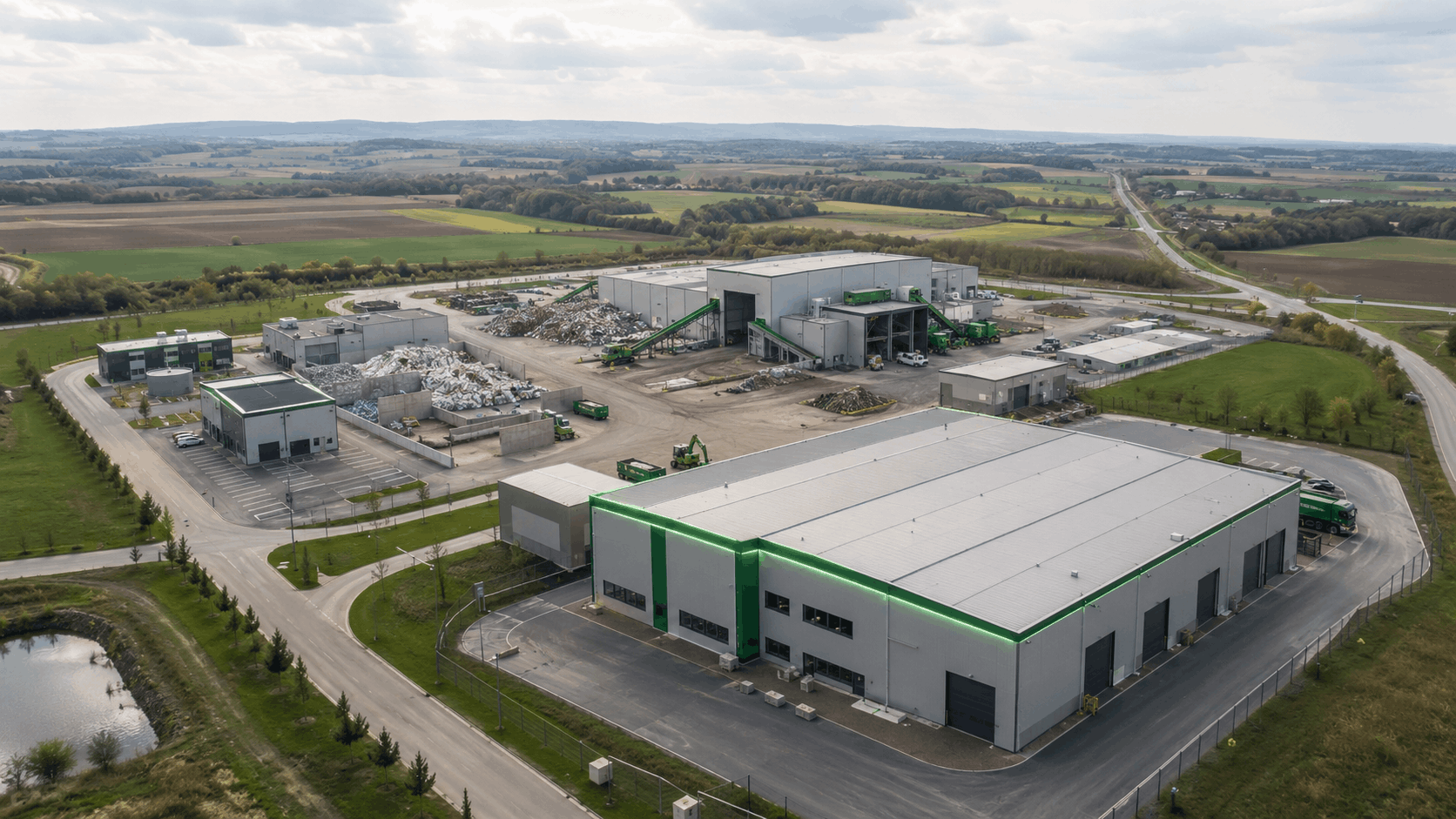
Material flows into a dedicated Moldovan hub engineered for scalable, repeatable blade recovery.

Industrial reuse

Recovered streams are qualified for construction, cement, composites, insulation and industrial filler markets.

From retired panel to recovered industrial material.

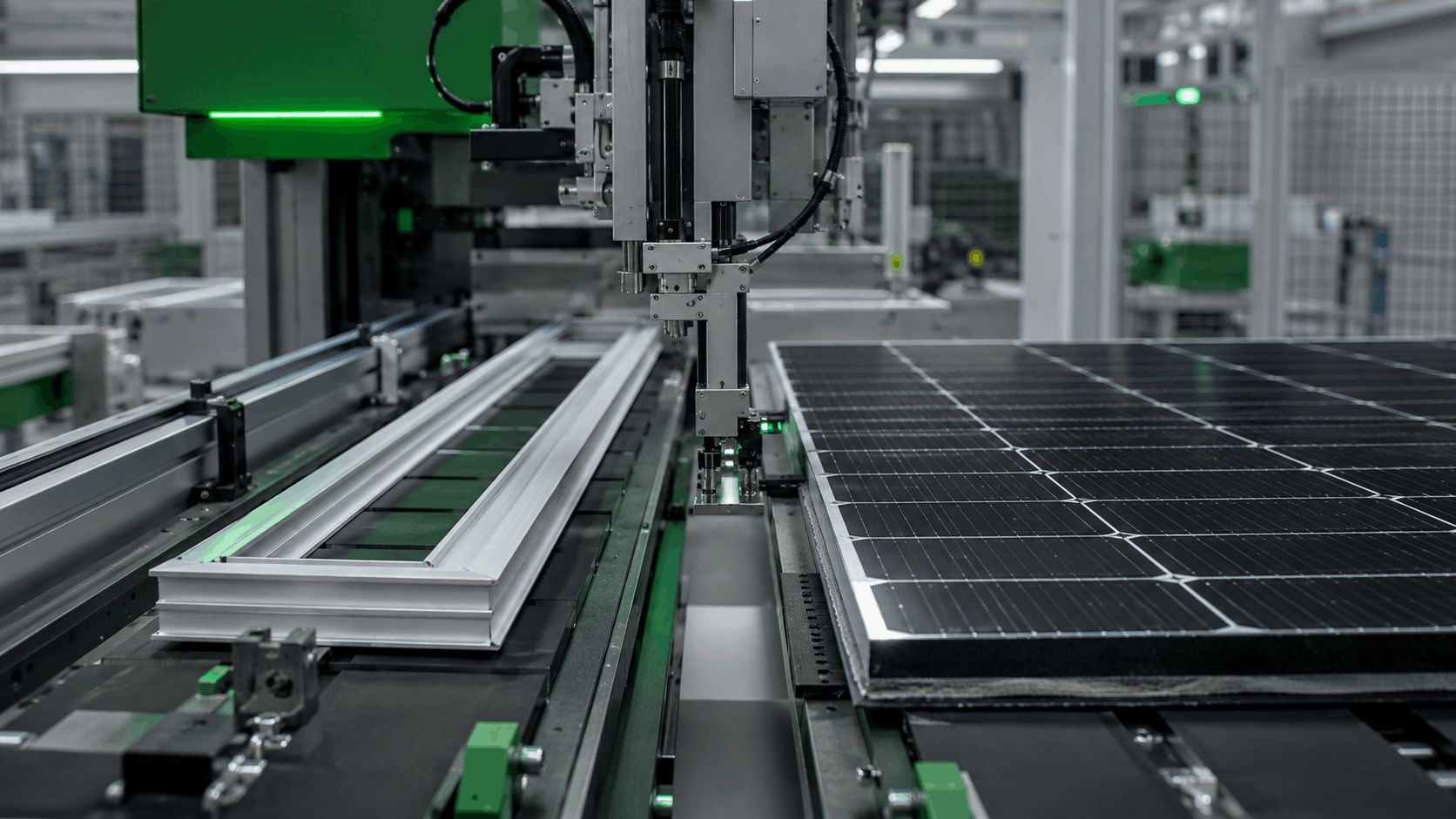
Automated dismantling separates glass, aluminium, silicon and metals at industrial scale, recovering value that landfill throws away — at recovery rates built for real industrial buyers, not just compliance.

Automated dismantling

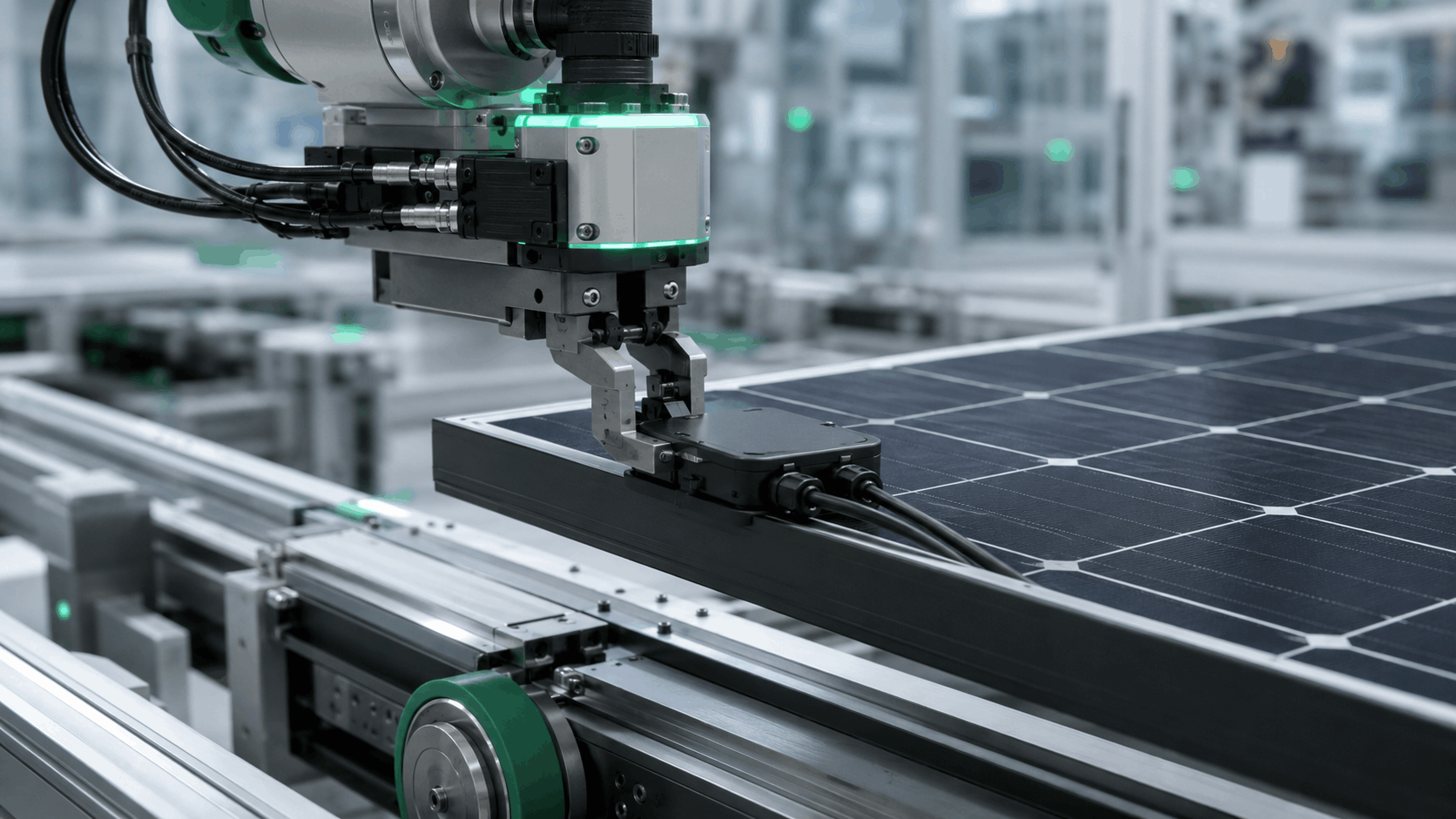
Dedicated robotic stations remove junction boxes, glass and aluminium frames with no manual disassembly.

High-yield recovery

Crushing and sorting equipment recovers metal, silicon, glass and plastic at rates above 95%.

Circular reuse

Recovered streams re-enter construction, electronics and manufacturing supply chains.

1

Collection & Preparation

Retired blades are prepared for recovery, on-site.

Thousands of composite blades reach end-of-life every year, with no landfill-free pathway at scale. Blade sections are prepared where they rest, reducing handling risk and cost before transport begins.

On-site wind turbine blade preparation scene
2

Controlled Transport

Every section moves under a controlled chain of custody.

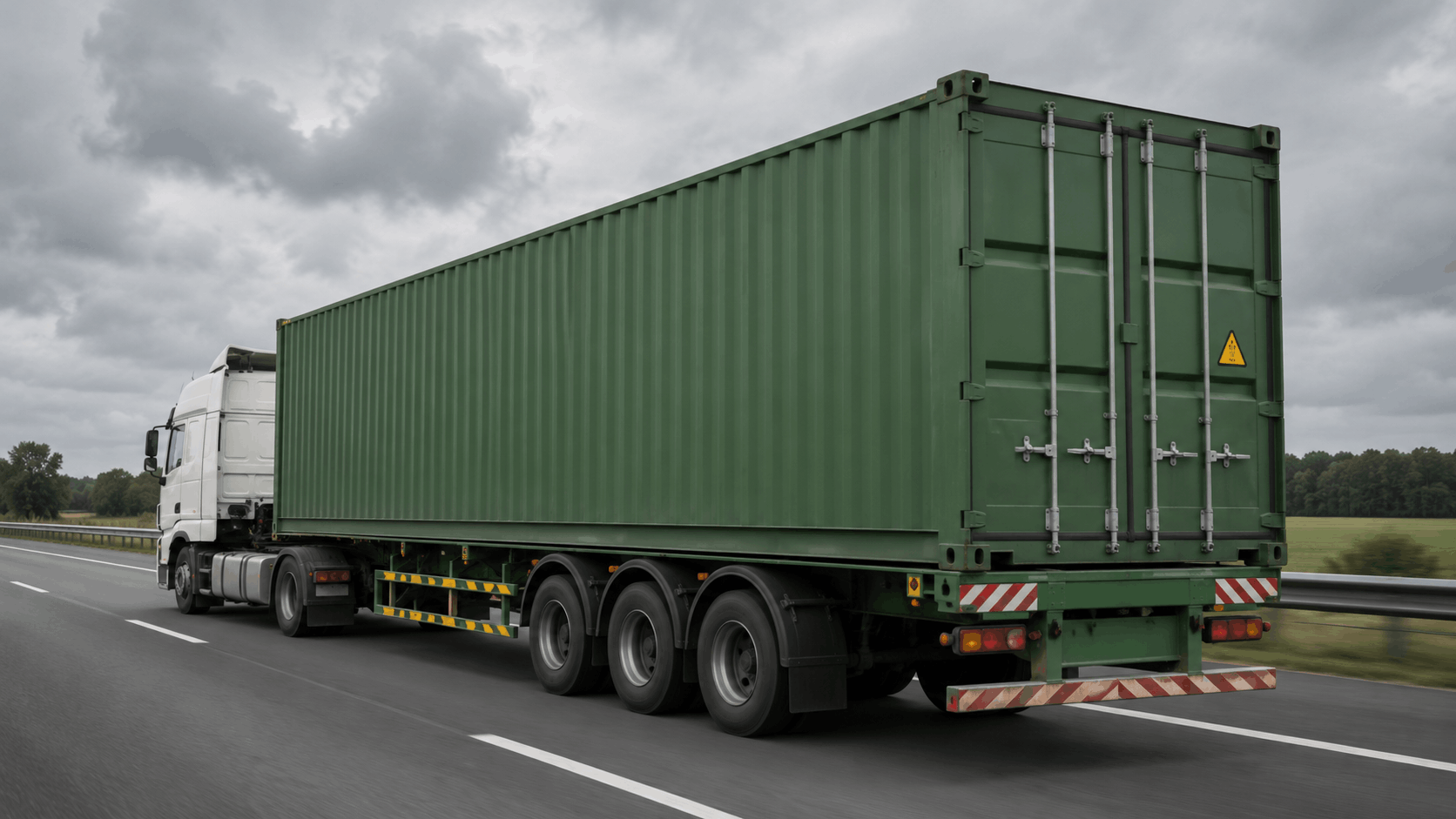
Prepared sections travel to the ALTIM RE hub, where every incoming load is inspected, weighed and logged — so every tonne entering the process is fully accounted for.

Transport of wind turbine blade section
3

Processing & Recovery

Composite becomes distinct, industrially useful material streams.

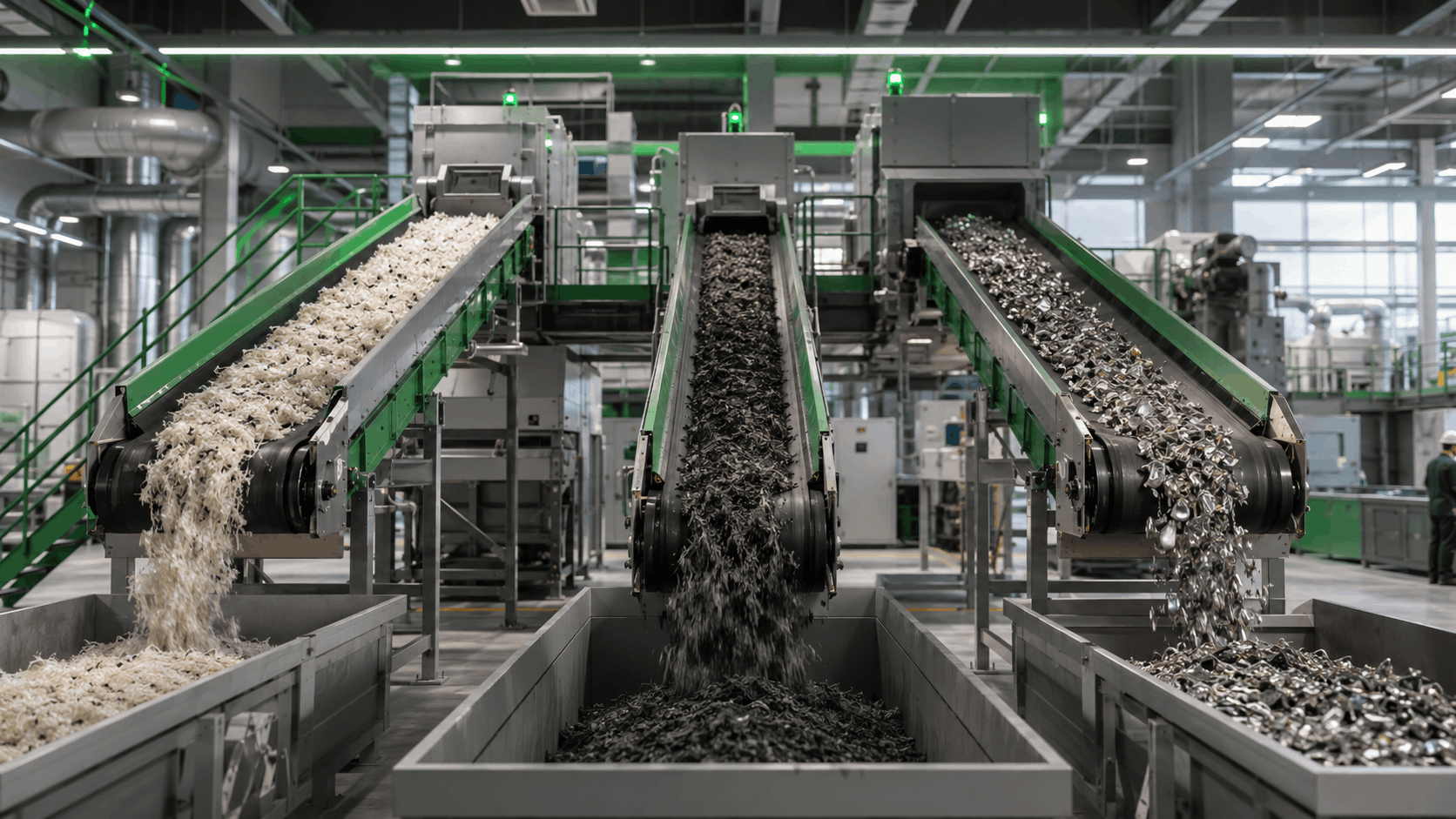
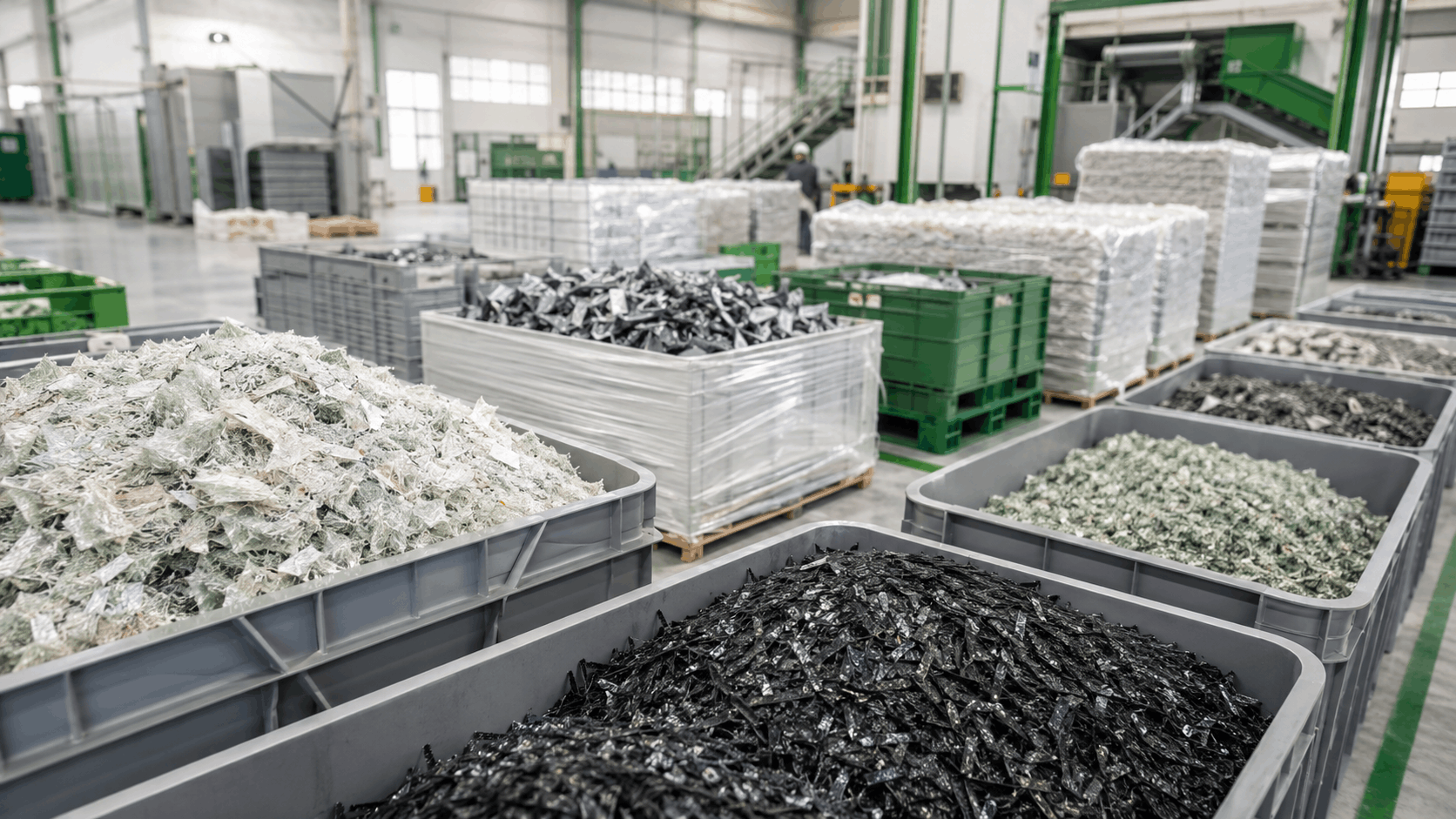
Processing separates fiberglass, resin and steel into individual material streams at industrial purity — engineered for reliable downstream reuse, not just volume reduction.

Material separation plant with fiberglass carbon fiber and steel bins
4

Industrial Reuse

Recovered materials return to industrial value chains.

Recovered fiberglass, resin and metal streams feed cement, composites, insulation and industrial filler production — closing the loop from decommissioning to renewed industrial value.

Recovered material output applications
Recovery Complete
1

Collection & Preparation

Retired panels are collected and prepared for recovery.

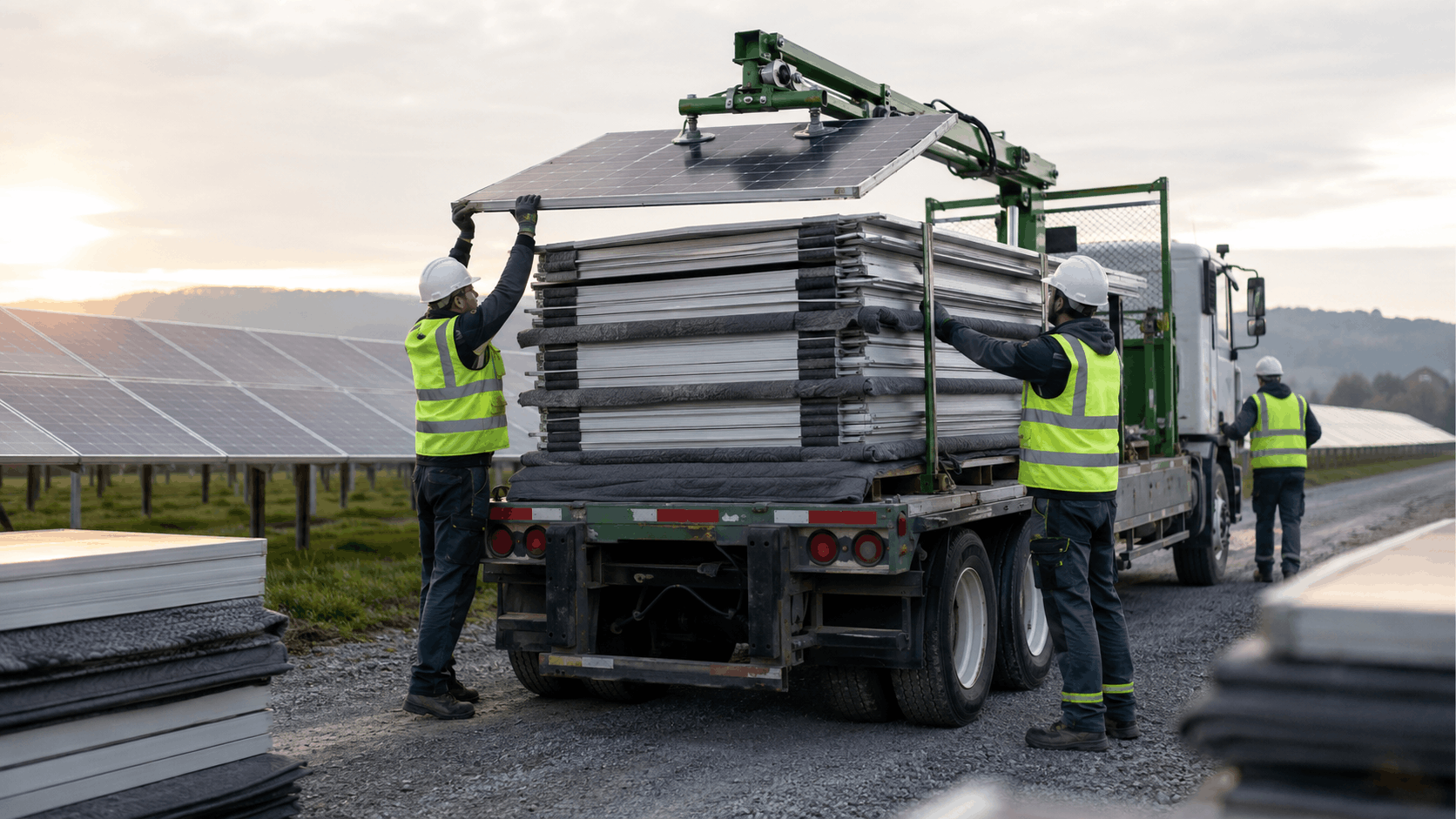
Global PV panel waste is projected to reach roughly 8 million tonnes by 2030, and today's waste systems weren't built to absorb it. Panels retired or damaged in service are collected directly from installations and staged for transport to the ALTIM RE facility.

Collection of decommissioned solar panels
2

Controlled Intake

Every panel is verified before it enters the line.

Incoming panels are unloaded, inspected and queued into our automated dismantling process, beginning with clean removal of junction boxes and other fittings ahead of deeper material separation.

Solar panel entering automated dismantling process
3

Processing & Recovery

Panels are broken down into distinct, high-purity material streams.

Purpose-built equipment separates glass, aluminium and laminate layers, recovering metal, silicon, copper, silver and plastic at recovery rates above 95% — engineered for reliable reuse, not just volume reduction.

Solar panel material separation equipment
4

Industrial Reuse

Recovered materials go straight back to work.

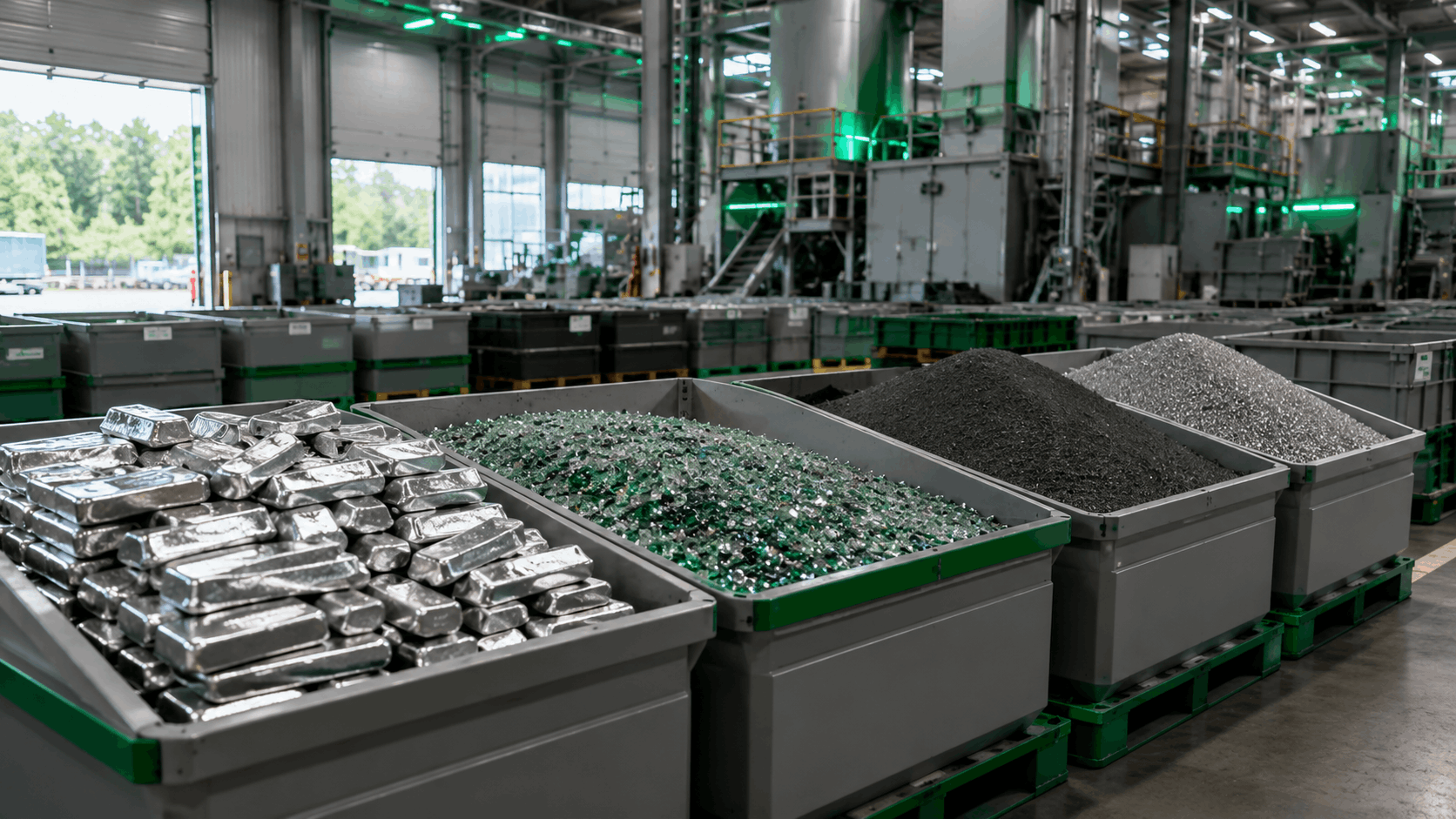
Glass, aluminium, silicon and metals are prepared for reuse across construction, electronics and manufacturing — closing the loop from decommissioning to renewed industrial value.

Recovered solar panel materials ready for industrial reuse
Recovery Complete

Our Technology Philosophy

Engineered for precision and reliability, not brute force.

Much of this industry's early infrastructure was built around heavy, diesel-hungry shredding equipment — effective at reducing volume, but expensive to run, hard on emissions, and difficult to operate consistently at scale. We made a different choice from day one.

Precision over volume-first processing

Our approach centers on advanced precision-cutting technology operated by trained technicians, rather than mass mechanical force — meaning a smaller equipment footprint and reduced reliance on continuous heavy machinery operation, plus more consistent, better-characterized output material for our industrial buyers.

Built for two waste streams, not one

Wind blades and solar panels are fundamentally different materials requiring fundamentally different recovery methods. Rather than specializing narrowly, we built dual-stream capability into the hub from the start — smoothing utilization, spreading fixed costs, and giving us resilience single-stream competitors don't have.

A real trajectory toward zero-emission operation

Our technology roadmap doesn't stop at the processing line. We're actively working toward electrified transport fleets and a facility powered by our own renewable generation — meaning the environmental case for choosing us gets stronger over time, not just at the moment you sign a contract.

Regional infrastructure, not a pilot project

This is a purpose-built hub designed for sustained throughput and long-term partnerships — not a proof-of-concept facility hoping to prove itself out. That distinction matters in an industry where several early entrants have struggled to deliver on ambitious announcements.

Industrial impact

Recovered material streams with practical industrial pathways.

ALTIM RE connects renewable-energy decommissioning with construction, cement and industrial material markets.

Wind · Recovered material

What a recycled blade breaks down into

65%Glass fiber
Glass fiber 65% Resin 28% Balsa core 5% Steel/metal 2%

Solar · Recovered material

What a recycled panel breaks down into

75%Glass
Glass 75% Polymer 10% Aluminium 8% Silicon 5% Copper & silver 2%

Why Partner With ALTIM RE

We built this hub around a gap the numbers make impossible to ignore.

WindEurope's own data shows annual decommissioned blade volume rising from ~20,000 tonnes in 2025 to ~55,000 tonnes by 2030 across Europe — more than doubling in five years. Named flagship facilities like EnergyLoop (10,000 tonnes/year) and REGEN Fiber (30,000 tonnes/year) mark real progress, but WindEurope itself acknowledges blade recycling "has not yet been widely deployed at scale." This isn't a distant forecast. It's the gap ALTIM RE exists to help close.

For Wind Operators Facing Decommissioning

Your blades' end of life just became a deadline, not a someday problem.

The EU's blade landfill ban is already in force, and unclear waste classification plus fragmented regulation across member states remain real barriers named directly by WindEurope. For most operators, the honest challenge isn't wanting to do the right thing — it's not having a dedicated, regional partner equipped to handle it end-to-end.

That gap shows up in predictable ways: finding a compliant disposal pathway in a market where specialized blade-recycling capacity is still scarce; absorbing the logistics cost of moving equipment that's large, heavy and expensive to transport long distances; and proving compliance after the fact — documentation that satisfies regulators, insurers and your own sustainability reporting.

We take that entire burden off your hands — one contracted relationship, one compliant process, fully documented from collection through certified output.

For Industrial Buyers of Recovered Composite

Recycled fiberglass is only useful if you can build a supply chain around it.

Cement producers, composite manufacturers and insulation suppliers don't need a one-time salvage lot — they need a consistent specification, a reliable delivery schedule, and a supplier who'll still be operating next year.

A dedicated regional hub changes that equation: recovered fiberglass, resin and steel processed to a consistent standard, at a predictable volume, from a single accountable source.
A 2026 peer-reviewed study (Espinosa et al., confirmed by PV Tech's reporting on the same University of Murcia / European Commission Joint Research Centre research) found current EU PV recycling capacity sits at roughly 170,000 tonnes per year, while annual waste is projected to exceed 1 million tonnes by 2030 — existing capacity covering barely a sixth of what's coming. This isn't a distant forecast. It's the gap ALTIM RE exists to help close.

For Solar Operators Facing Decommissioning

Your panels' end of life just became a compliance obligation, not a someday problem.

The EU's WEEE Directive already mandates collection and recycling of end-of-life PV modules, yet the researchers behind this capacity study describe the bloc's PV end-of-life regulatory framework as still "incomplete and fragmented." For most operators, the honest challenge isn't wanting to do the right thing — it's not having a dedicated, regional partner equipped to handle it end-to-end.

That gap shows up in predictable ways: finding recycling capacity in a market covering barely a sixth of projected demand; absorbing the logistics cost of collecting panels from distributed installations; and proving compliance after the fact — documentation that satisfies regulators and your own sustainability reporting.

We take that entire burden off your hands — one contracted relationship, one compliant process, fully documented from collection through certified output.

For Industrial Buyers of Recovered PV Material

Recycled glass, silicon and metals are only useful if you can build a supply chain around them.

Electronics recyclers, glass manufacturers and construction suppliers don't need a one-time salvage lot — they need a consistent specification, a reliable delivery schedule, and a supplier who'll still be operating next year.

A dedicated regional hub changes that equation: recovered glass, aluminium, silicon, copper and silver processed to a consistent standard, at a predictable volume, from a single accountable source.
Partnerships

Building circular economy infrastructure for renewable energy.

Partnering with ALTIM RE starts the moment a contract is signed — intake begins immediately, building toward a dependable new material stream for construction, cement and electronics manufacturers across Eastern Europe.

Partner with us →

Partner with us

Let’s build the next end-of-life pathway for wind blades.

Use the form to start a conversation about blade volumes, logistics, industrial reuse opportunities, technology partnerships, or investment discussions.

Wind operators Cement and industrial partners Investors and regional collaborators

contact@altimre.com